The Post-Graduate Certificate in Dryland Agriculture at ABIDAT, in partnership with Ben-Gurion University of the Negev (BGU), Israel, is designed to equip students with cutting-edge knowledge in sustainable farming, soil conservation, water management, and climate-resilient agriculture. Learn from leading experts in dryland farming and agrotechnology to prepare for high-impact careers in sustainable agriculture.
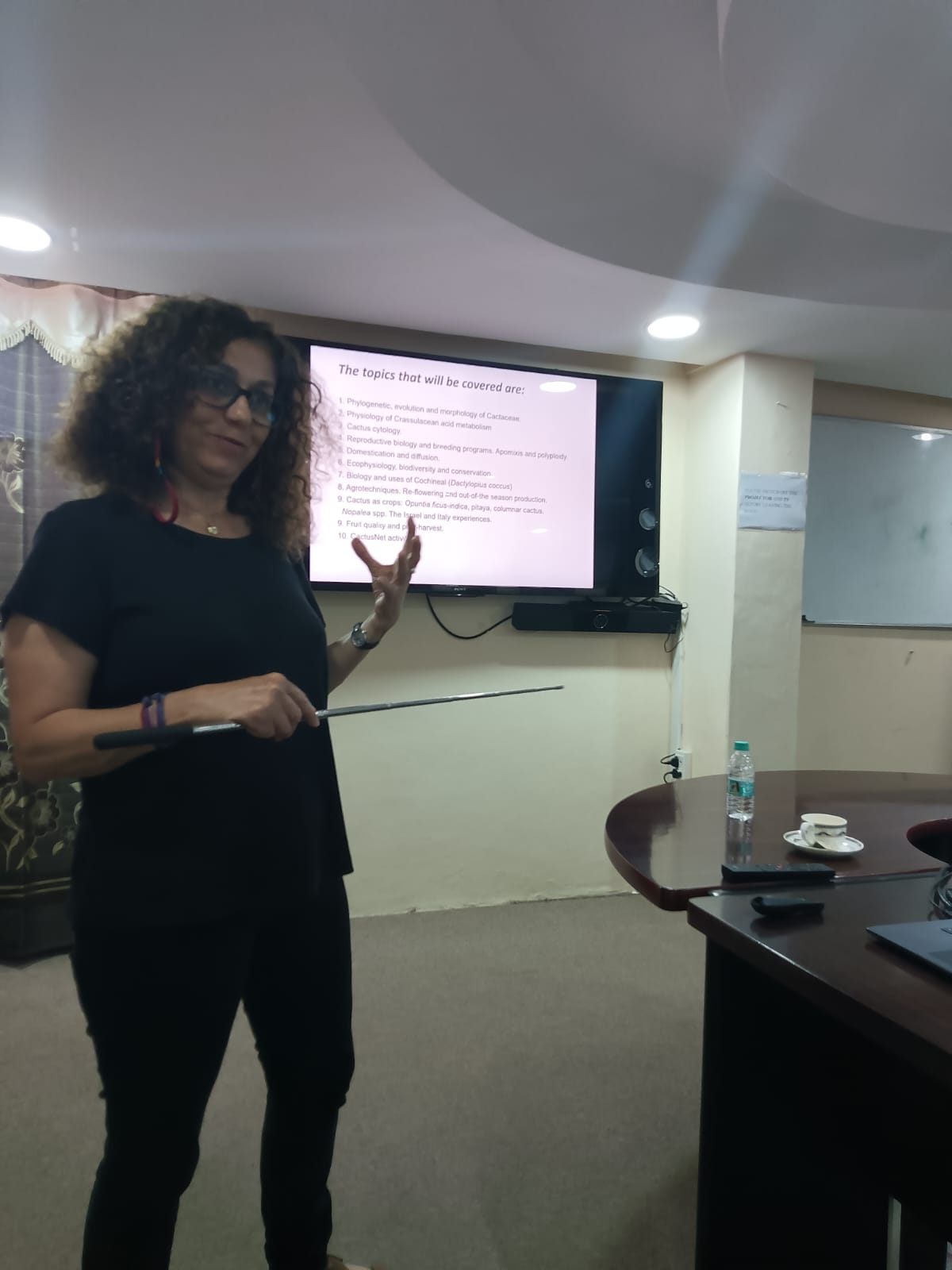
- Learn from top Israeli agricultural scientists renowned for their expertise in desert and dryland farming.
-Access BGU’s advanced agricultural research centers and experimental farms.
-Covers sustainable soil and water management, precision farming, agri-tech innovations, and climate-smart agriculture.
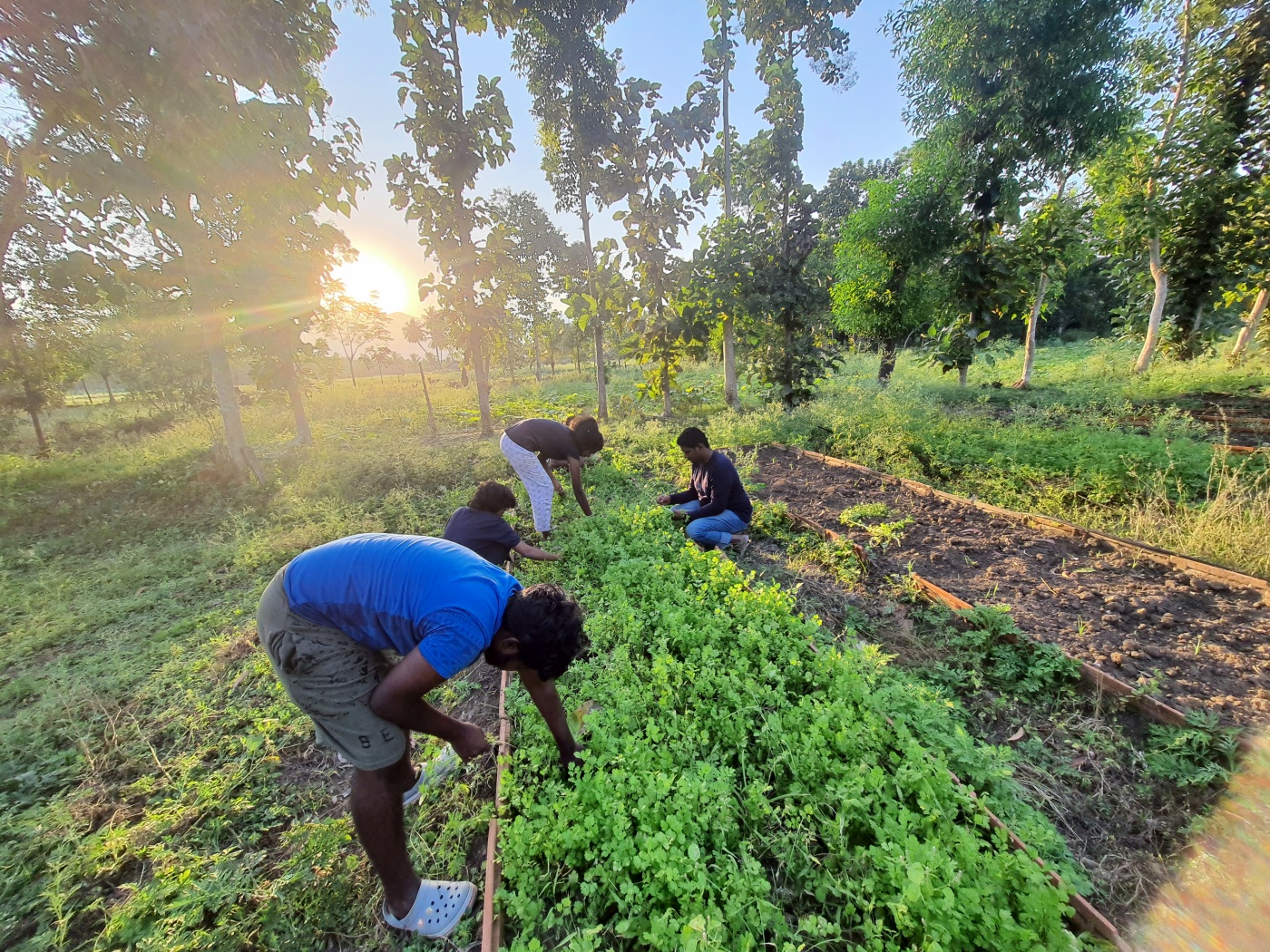
-Hands-on, field-oriented training with a strong focus on real-world agricultural applications.
-Top-performing students qualify for fully-funded second-year research at BGU.
-Successful students receive a Master’s degree in Dryland Agriculture from BGU.
Strong industry collaborations for internships and job placements in agribusiness, research institutions, and sustainability-driven organizations globally.
1 academic year (2.5 semesters).
Online, Offline, and Hybrid.
Field-based projects, agritech innovation labs, and research-driven simulations.
Recognized under the Bologna Convention, ensuring international academic mobility.
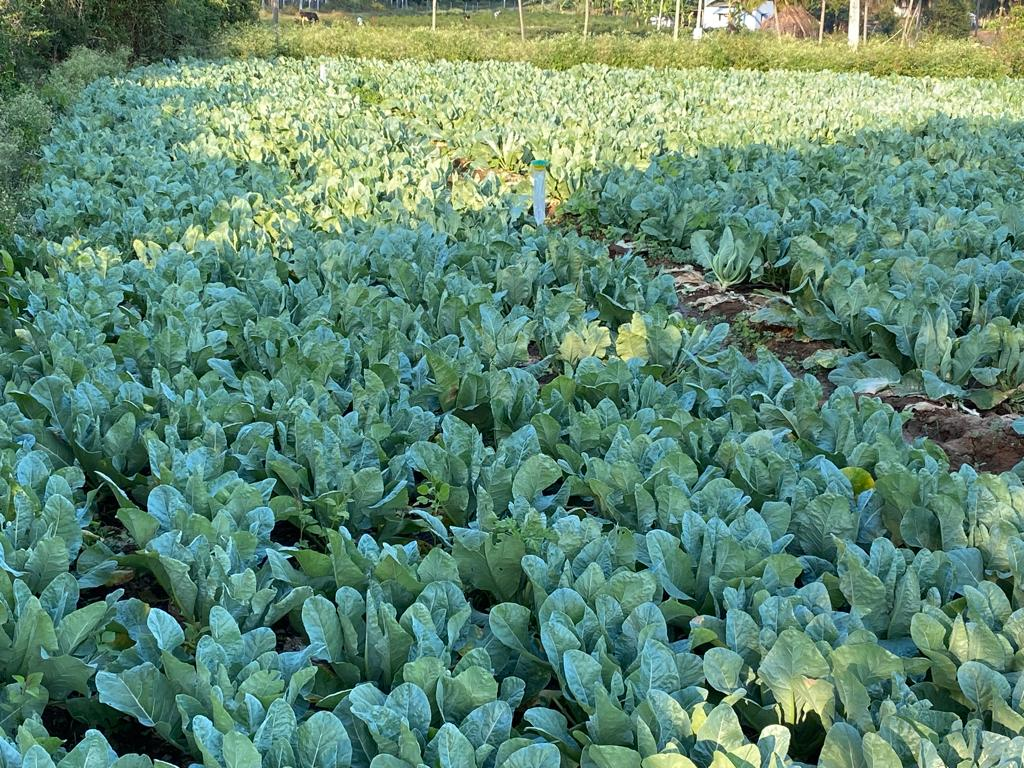
Transforming Desert Lands into Productive Farms
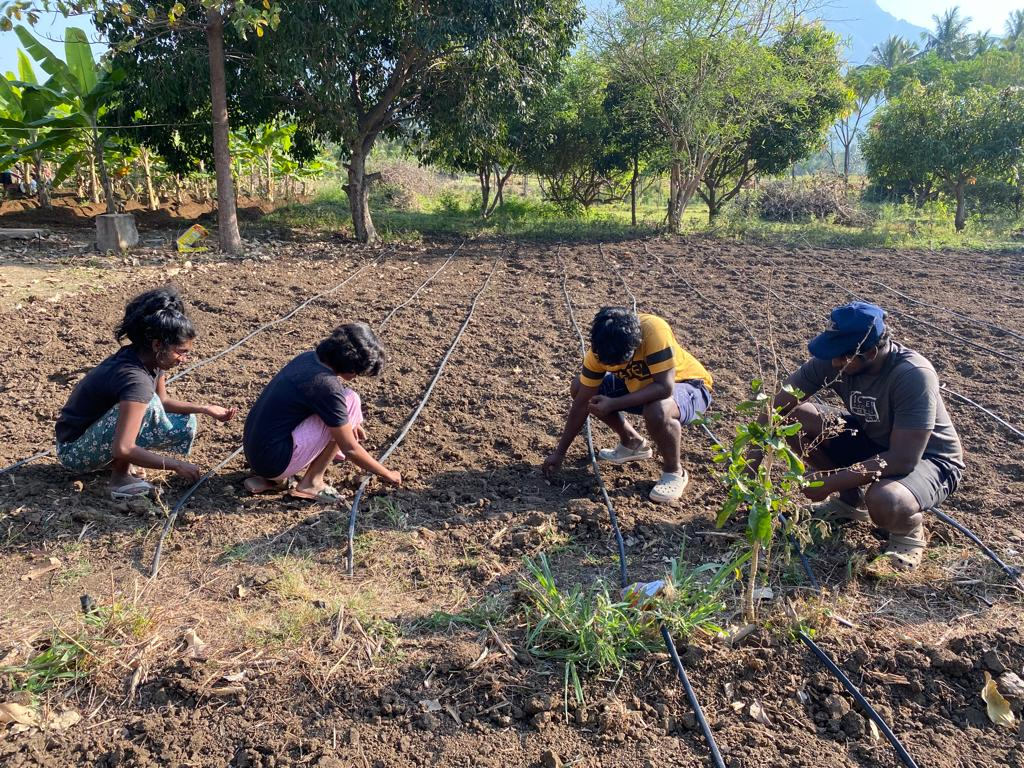
Water-Efficient Drip Irrigation in Drylands
Climate-Resilient Crop Development
Bachelor’s degree in Agrriculture, Environmental Science, Biology, Soil Science, or related fields with 60% aggregate marks.
₹2.75 Lakhs (payable in two installments).
Limited scholarships available for high-achieving students.
15 March 2025 & 15 October 2025.

The program aims to provide in-depth knowledge of sustainable farming practices, soil management, and water conservation techniques in arid and semi-arid regions.
Graduates in agriculture or related fields are eligible. Professionals with relevant experience in agriculture can also apply.
Graduates can pursue roles as agronomists, agricultural consultants, policymakers, or researchers specializing in dryland farming systems.
Yes, the course includes hands-on training in dryland farming techniques, soil conservation, and water management strategies.
Yes, the course includes hands-on training in dryland farming techniques, soil conservation, and water management strategies.